Every home cook dreams of mastering the kitchen, but even with years of practice, perfection can feel just out of reach. From mastering the perfect omelet to achieving restaurant-level flavor, cooking takes patience, and sometimes a little insider advice.
Recently, a Reddit thread shed light on one simple yet game-changing tip shared by professional chefs, one that could instantly improve anyone’s cooking skills: keep your knives sharp.
The Most Common Kitchen Mistake
When a user asked, Professional chefs of Reddit, what are the top mistakes home cooks make? the post quickly took off. Thousands of chefs chimed in, sharing the biggest blunders they notice in home kitchens. Surprisingly, the most popular answer wasn’t about exotic ingredients or expensive equipment, it was about something incredibly simple: dull knives.
One Reddit user humorously shared, “My wife laughed when I had every knife professionally sharpened, but she’s not laughing now. Cooking is so much easier.” That comment struck a chord, inspiring countless others to rethink how they care for their kitchen tools.
Why Sharp Knives Matter
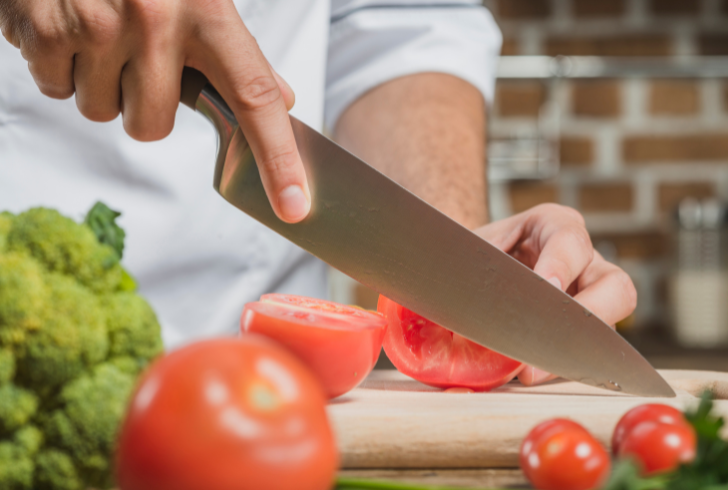
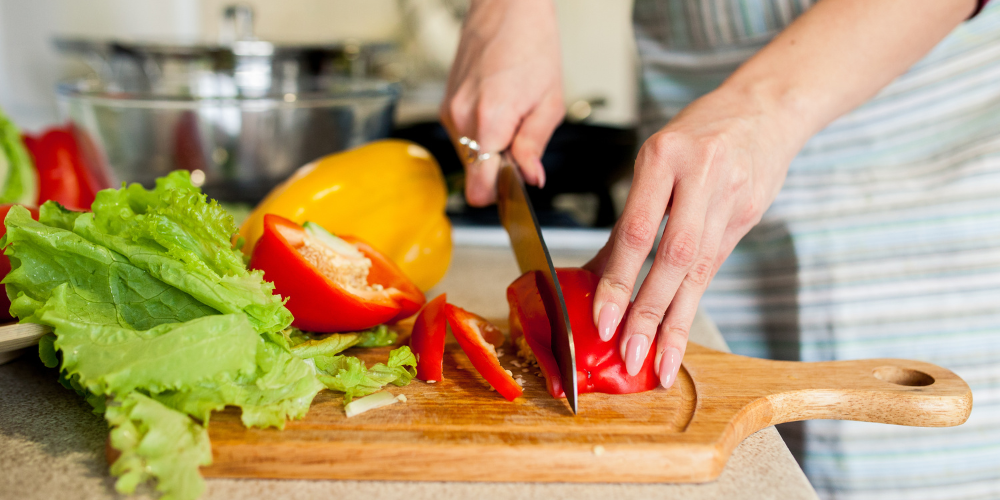
Freepik | Using a sharp knife is crucial for better control, texture, and overall kitchen safety.
Experts agree, a sharp knife isn’t just a professional’s preference, it’s essential for safety and precision. According to Good Housekeeping’s Chief Food Director Kate Merker, “A sharp knife might be the most underrated tool in your kitchen. It improves control, preserves texture, and makes cooking far safer.”
Sharp blades slice through food cleanly, keeping ingredients intact and textures crisp. Dull knives, by contrast, crush or tear food, leading to uneven cuts and potential accidents. And yes, a sharper knife actually reduces the risk of injury, since it cuts predictably instead of slipping.
Keeping Knives in Top Shape
Thankfully, maintaining sharp knives doesn’t require professional help every week. With a few simple habits, anyone can keep their tools in peak condition. Experts suggest:
1. Use a honing rod regularly. A few light strokes realign the blade edge between major sharpenings.
2. Choose the right cutting board. Wood and plastic are ideal. Avoid glass or marble surfaces that dull blades quickly.
3. Skip the dishwasher. Hand wash and dry immediately to protect the blade from heat and moisture damage.
If you’re unsure whether your knives need sharpening, there’s an easy test, try slicing a tomato. If it squishes before slicing cleanly, it’s time to sharpen. Beginners often prefer using a handheld knife sharpener, while seasoned cooks might invest in a whetstone for more control.
Other Top Kitchen Tips from Chefs
While knife care topped the list, the Reddit thread revealed other valuable insights from professional chefs. One baker offered a golden rule: “Stop believing the baking times in recipes.” Ovens vary widely in heat distribution, so trusting sight, smell, and touch often leads to better results than relying solely on timers.
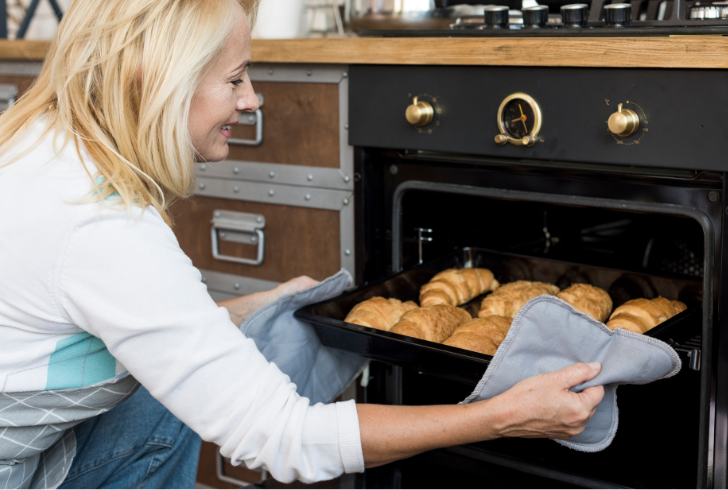
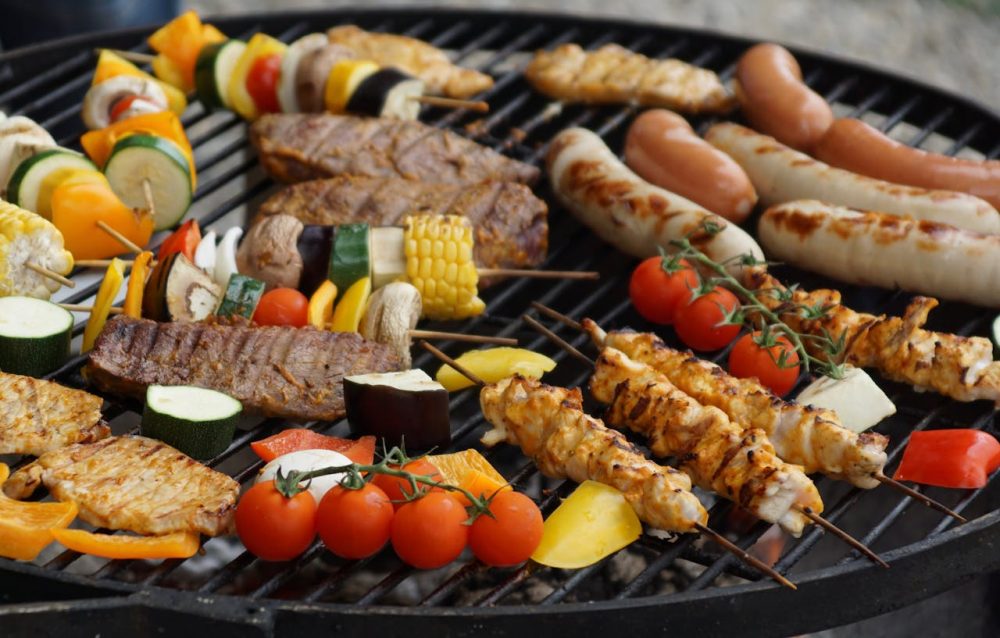
Freepik | For best results, a baker suggests using sight and smell over recipe baking times.
Probe thermometers also earned high praise. They provide accurate temperature readings that eliminate guesswork, helping home cooks avoid overcooked meats and underbaked desserts. As one chef noted, “Timers start the conversation, but your senses and a good thermometer finish it.”
Another chef added a reminder about the emotional side of cooking: “Cooking isn’t objective, it’s personal. Sometimes grandma’s meatballs beat the perfect recipe.” In other words, while technique matters, heart and intuition often elevate food beyond instructions.
How Small Changes Transform Cooking
What stands out in this viral conversation is that most advice isn’t about mastering complex techniques—it’s about basics: knife care, temperature awareness, and trusting your instincts. Small shifts like these can turn an everyday meal into something extraordinary.
Cooking is both art and science. With sharp tools and mindful attention, even simple dishes—fresh herbs on pasta or perfectly diced vegetables—become more precise and satisfying. Chefs and home cooks alike share a passion for the process. A dull knife or rigid recipes can dull that joy.
So next time you step into the kitchen, remember this rule: a sharper knife means sharper skills. Every slice, chop, and sauté will feel smoother, safer, and more rewarding.